2
Nagyzenekari koncert: Saint-Saëns, Csajkovszkij
Camille Saint-Saëns Violin Concerto No. 3 in B minor, Op. 61
Pyotr Tchaikovsky: Manfred Symphony, Op. 58
more
Camille Saint-Saëns Violin Concerto No. 3 in B minor, Op. 61
Pyotr Tchaikovsky: Manfred Symphony, Op. 58
more
Ön egy múltbeli eseményre keresett rá. Kérjük, válogasson aktuális kínálatunkból a Jegy.hu keresőjében!
Last event date on this page: Tuesday, October 07 2025 7:45PM
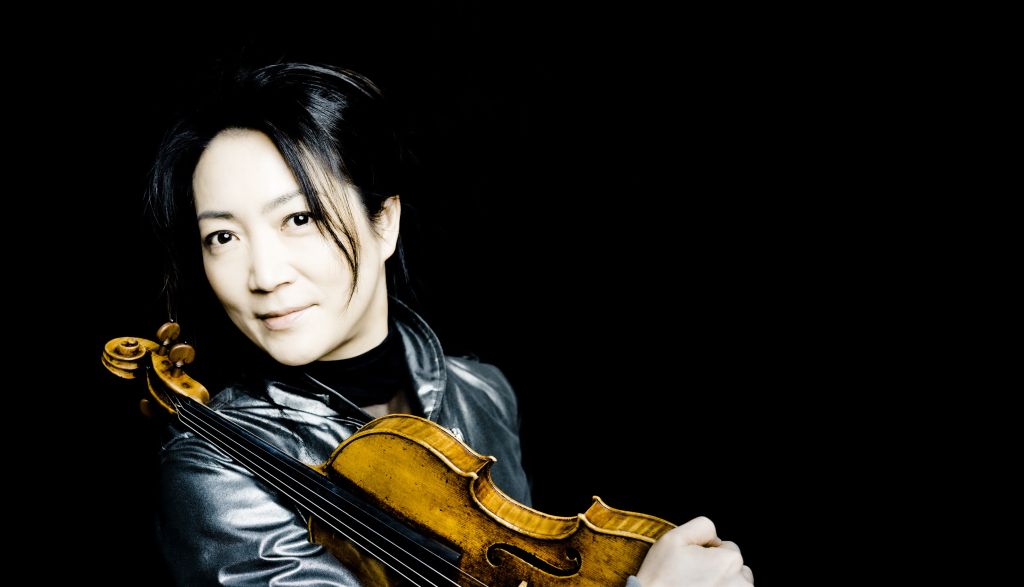
Akiko Suwanai (violin)
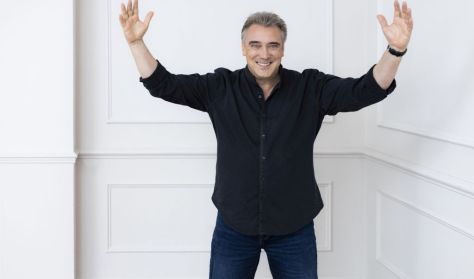
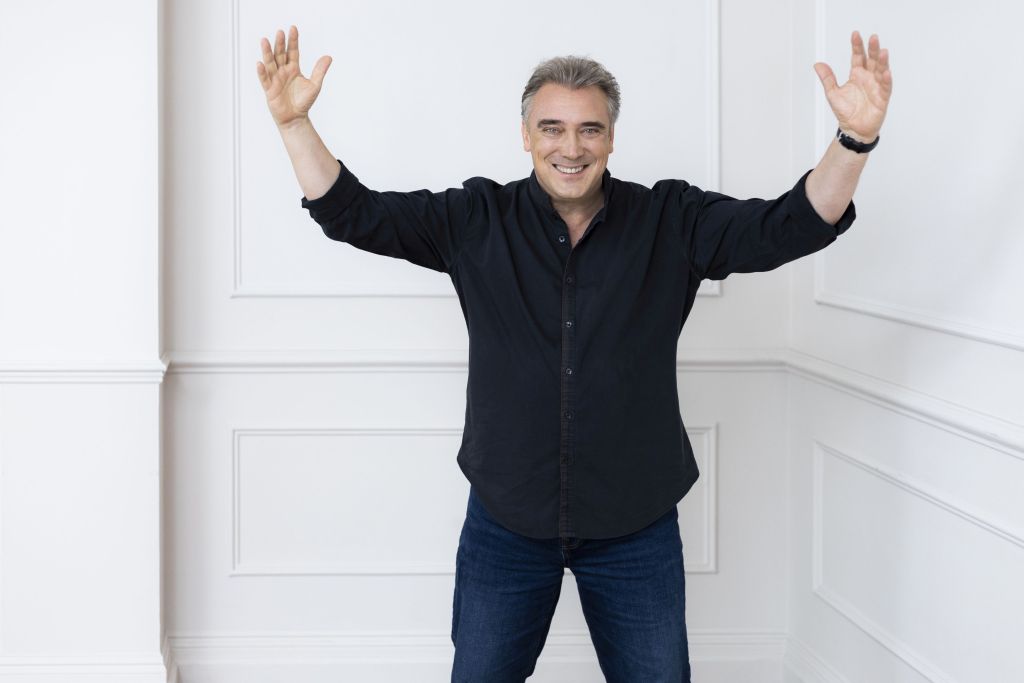
Conductor: Jaime Martín
Spanish conductor Jaime Martín, whose "infectious enjoyment of the music communicates to the orchestra and audience alike" according to a Telegraph reviewer, will return to lead the Festival Orchestra with Saint-Saëns’s most popular violin concerto and what Tchaikovsky considered his best symphonic music. The concert will pose some earworm alerts as both composers are famous for their catchy melodies, passionate phrases and emotions placed above formal requirements. The violin concerto composed by Saint-Saëns for Pablo de Sarasate will be performed by a Japanese virtuoso: the youngest winner in the history of the International Tchaikovsky Competition, Akiko Suwanai. She was last heard by the BFO’s audiences in 2022, when she played Tchaikovsky's Violin Concerto.
Saint Saëns is often criticized for not keeping up with the musical innovations of Debussy and Ravel, and because he felt comfortable in 19th century traditions and preferred to focus on melody. Yet his oeuvre is anything but boring, conservative or superficial: the French composer was incredibly inventive in using traditional forms. He developed a very colorful and exciting harmonic language. His Violin Concerto No. 3, composed in 1880, also seems to follow the familiar three-movement form, but it is full of surprises. There is no orchestral introduction in the opening movement, just a few soft chords introducing the soloist's dramatic first theme of longing and searching. There is no cadence either, as the violinist has ample opportunities during the movement to display his technical prowess. At the same time, virtuosity is coupled with a subtle lyricism, and the two poles are present throughout the work together, rather than as opposites. The barcarolle-like slow movement, swaying in 6/8, is in an unexpected key with the violin and the winds circling each other. The movement's conclusion, with the duet by the soloist and the clarinet, is a testament to the composer's masterful orchestration. The expansive, complex finale opens with an unusual dramatic, recitative-like slow introduction by the violin. We are then led through music that is sometimes gypsy-like and sometimes reverential in character to a monumental and glowing conclusion.
Tchaikovsky’s Manfred Symphony, also in B minor, was composed five years later. After much persuasion by Balakirev, the composer began to work on Vladimir Stasov's program, based on Byron's dramatic poem. “It fits you like a glove”, Balakirev told his colleague, who was a few years younger. Balakirev was not only endlessly pushy but also very critical of Tchaikovsky. He, with his usual uncertainty, sometimes hated his own work and sometimes loved it. He was aware that the symphony would rarely be performed due to its length, so he gave the score to his publisher for free. He was planning to remove three movements and turn the first into a symphonic poem. Eventually, he kept the four-movement form. In the first movement, Manfred, depicted by a descending motif, arrives in Switzerland. Then the music of the brooding, suffering hero is replaced by a soft portrait of his love, Astarte. In the Scherzo, the typical genre of the music of fairies, Manfred meets some Alpine fairies under a rainbow. The movement built from short themes is charming, humorous, teasing and playful, all at the same time. The pastoral slow movement in 6/8 depicts the peaceful life of Alpine hunters. The extensive finale, which includes a fugue conjuring up the battle between the hero and hell, was described by the composer as follows: “Manfred appears in Ariman’s underground palace. During the bacchanalia, the ghost of Astarte appears and predicts the end of his earthly sufferings. The death of Manfred."
Carl Orff CARMINA BURANA Scenic cantata in the original languages, with Hungarian, English, and same-language subtitles
Magyar katonáknak kell megszólaltatniuk Kálmán Imre zseniális operettjét, a Csárdáskirálynőt. Nincs jelmezük, díszletük, alig van hangszerük, nincs közöttük képzett színész, és a női szerepeket is nekik kell játszani. Viszont a hazajutás a tét, tehát nem kérdés: az előadásnak sikerülnie kell!
Szállj fel a cirkusz nagy körhintájára, ahol az álmok életre kelnek. Világszámok és fiatal magyar tehetségek várnak Ringlispíl című előadáson.
Pogány Induló hatalmas koncerttel tér vissza az MVM Dome-ba! Pályatársaival az egyik legütősebb bulit ígéri a rajongóknak.
A háború mindent elvett tőlük – az otthonukat, a családjukat, a gyermekkorukat. Bandába verődve, éhesen és fázva járják az utcákat,…
item(s) in basket
total:
Time limit has expired. Please, put item(s) in to basket again.